
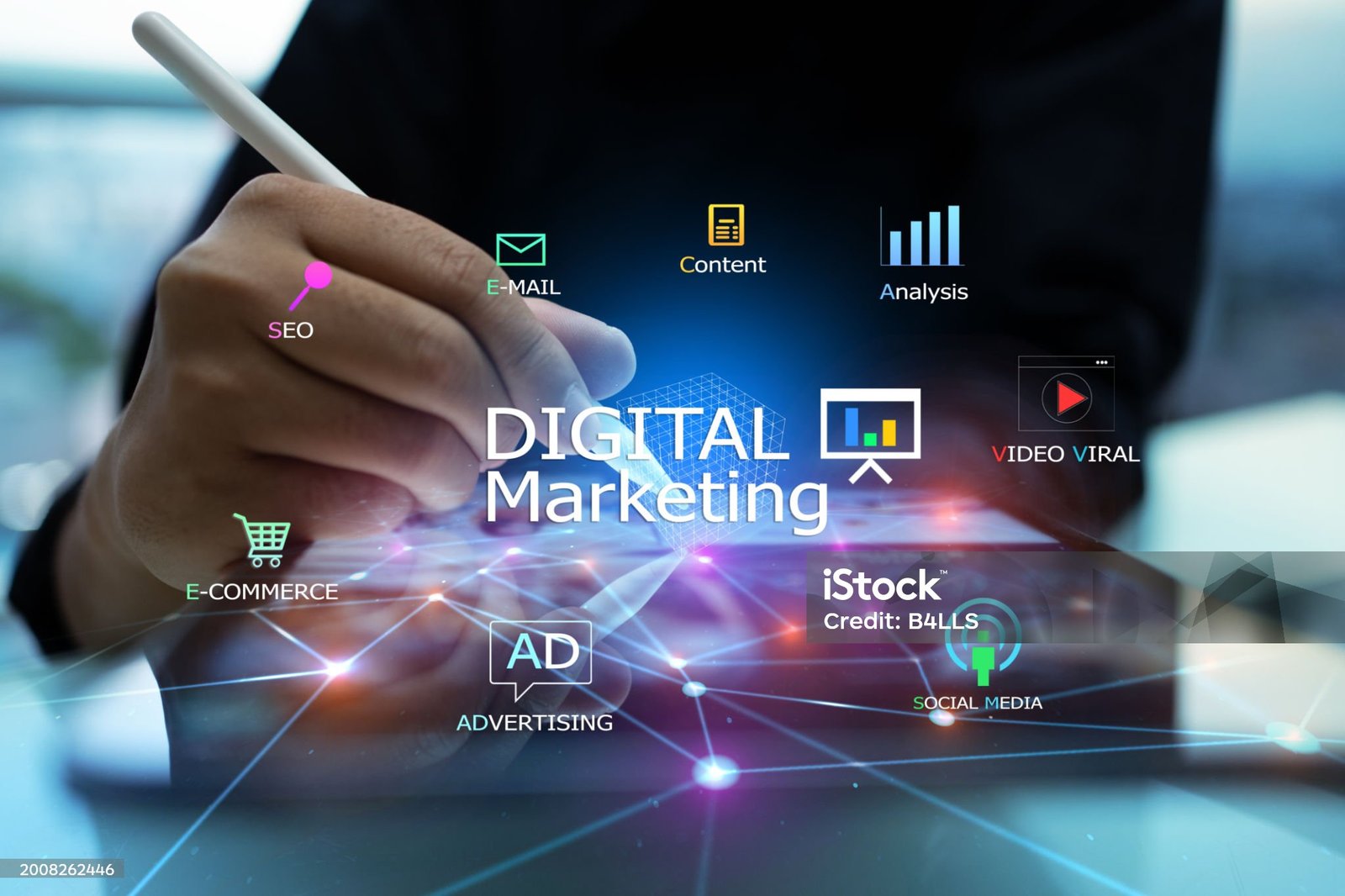
Digital marketing has become one of the most important parts of growing a business in today’s connected world. Whether you own a small business, run an online store, manage a personal brand, or work for a growing company, having a strong digital marketing strategy can help you reach the right audience, build brand awareness, and generate quality leads.
Today, customers search on Google, discover products through Instagram Reels, watch YouTube reviews, compare brands on social media, and make purchasing decisions after researching online. This means businesses need more than just a website or social media account. They need a complete digital marketing strategy that connects with customers at every stage of their buying journey.
In this guide, we will explore what digital marketing is, why it matters, its major types, effective digital marketing strategies, the role of artificial intelligence, and how businesses can improve their online presence.
What Is Digital Marketing?
Digital marketing is the process of promoting products, services, or brands through online channels such as search engines, websites, social media platforms, email, and digital advertising.
Unlike traditional marketing methods such as newspaper advertisements, billboards, and printed brochures, digital marketing allows businesses to reach specific audiences, measure campaign performance, and adjust their strategies using data.
For example, a jewellery showroom can use Instagram to showcase its latest collections, Google Business Profile to attract nearby customers, search engine optimization (SEO) to increase website visibility, and Meta Ads to generate enquiries.
Similarly, a freelancer can use LinkedIn content marketing, a personal website, and email marketing to attract potential clients.
The main goal of digital marketing is not simply to increase website traffic or social media followers. It is to attract the right people, build trust, encourage meaningful engagement, and convert potential customers into loyal buyers.
Why Is Digital Marketing Important for Businesses?
Digital marketing helps businesses compete in an environment where customers increasingly research brands and products online before making decisions.
1. Reaches the Right Target Audience
One of the biggest advantages of digital marketing is audience targeting. Businesses can create campaigns based on factors such as location, interests, search intent, and previous interactions, depending on the platform and its targeting options.
For example, a local clothing store can promote a festive collection to people in its service area instead of spending its entire advertising budget reaching unrelated audiences.
2. Cost-Effective Marketing Opportunities
Digital marketing offers options for different budgets. Businesses can publish organic social media content, improve website SEO, send newsletters, or invest in paid advertising.
However, cost-effectiveness depends on the campaign objective, competition, creative quality, and conversion rate. A smaller budget can still produce useful results when supported by clear targeting and regular performance analysis.
3. Measurable Results and Performance Tracking
Digital marketing tools allow businesses to monitor website visits, impressions, clicks, leads, conversions, and advertising costs.
Tools such as Google Analytics, Google Search Console, and Meta Ads Manager help marketers understand which campaigns are performing well and which need improvement.
Instead of relying entirely on assumptions, businesses can use actual performance data to make better marketing decisions.
4. Builds Brand Awareness and Customer Trust
Consistent content, helpful information, genuine customer reviews, and clear communication help businesses establish credibility.
When customers repeatedly encounter useful content from a brand, they may become more familiar with its products and services. Over time, this familiarity can support stronger customer relationships and purchasing confidence.
5. Supports Business Growth
Digital marketing can help businesses reach new customers, generate qualified enquiries, improve online sales, and maintain relationships with existing buyers.
Its effectiveness increases when different channels work together rather than operating independently.
7 Major Types of Digital Marketing
Understanding the different types of digital marketing helps businesses choose channels that align with their goals, audience, and budget.

1. Search Engine Optimization (SEO)
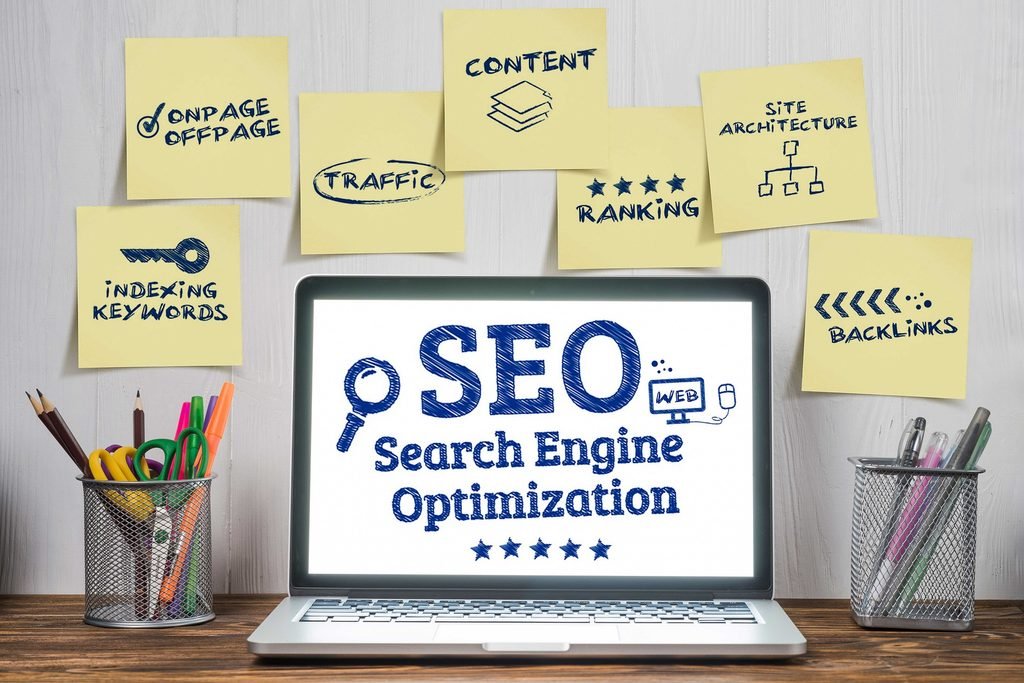
Search engine optimization is the process of improving a website so that its pages can be discovered more easily through relevant search engine results.
SEO includes keyword research, helpful content creation, on-page optimization, technical SEO, internal linking, and earning relevant backlinks.
For example, a digital marketing agency might publish an article targeting the phrase “digital marketing services for small businesses.” If the article genuinely answers the searcher’s questions and the website provides a good experience, it may attract relevant organic traffic.
Important SEO practices include:
- Researching relevant keywords and search intent.
- Writing useful title tags and meta descriptions.
- Using descriptive headings and URLs.
- Optimizing images with appropriate alternative text.
- Improving website speed and mobile usability.
- Creating relevant internal links.
- Publishing accurate, original, people-first content.
SEO is a long-term process. Rankings are not guaranteed, but a well-maintained website can become a valuable source of organic traffic over time.
2. Social Media Marketing
Social media marketing involves using platforms such as Instagram, Facebook, LinkedIn, YouTube, and Pinterest to promote a brand, communicate with customers, and build an online community.
Businesses can use social media posts, short-form videos, stories, carousels, live sessions, customer testimonials, and interactive polls to connect with their audiences.
For example, a jewellery brand could publish styling reels, showcase product details, share customer experiences, and explain how different jewellery pieces complement different occasions.
Effective social media marketing requires more than posting every day. Content should provide value, reflect the brand’s personality, and encourage relevant interactions.
3. Content Marketing
Content marketing focuses on creating useful and relevant content to attract, educate, and retain a clearly defined audience.
Common content marketing formats include blog posts, how-to guides, videos, infographics, case studies, newsletters, and downloadable resources.
A digital marketing blog can answer questions about SEO, social media management, paid advertising, and content strategy. These articles can help readers understand a problem while introducing them to the brand’s expertise.
Strong content marketing prioritizes usefulness over publishing volume. The aim is to give readers a reason to trust the business and return for more information.
4. Pay-Per-Click Advertising (PPC)
Pay-per-click advertising is a digital advertising model in which advertisers commonly pay when users click on their ads.
Google Ads can help businesses reach people searching for particular products or services. Meta Ads can support objectives such as brand awareness, engagement, website visits, and lead generation.
For example, a coaching institute might run a Google Search campaign targeting people searching for digital marketing courses. It could also test Instagram and Facebook campaigns to generate course enquiries.
Successful PPC advertising depends on relevant targeting, compelling ad creatives, clear landing pages, conversion tracking, and ongoing optimization.
5. Email Marketing
Email marketing helps businesses communicate directly with people who have subscribed or otherwise provided appropriate permission to receive marketing messages.
Businesses can use email newsletters, welcome sequences, product updates, educational content, and personalized offers to maintain customer relationships.
For example, an online fashion store can send subscribers information about new arrivals, styling recommendations, and seasonal collections.
Effective email marketing focuses on relevance, useful information, clear calls to action, and responsible handling of customer data.
6. Affiliate and Influencer Marketing
Affiliate marketing involves partners promoting products or services in exchange for an agreed commission or other compensation linked to specified results.
Influencer marketing involves collaborating with creators whose audience and content align with a brand’s objectives.
A beauty brand, for instance, might collaborate with a relevant creator to demonstrate how a product works. A carefully selected micro-influencer may offer access to a focused community, although results depend on audience quality, trust, and campaign execution.
Businesses should assess audience relevance, engagement quality, campaign objectives, disclosure requirements, and measurable outcomes before selecting partners.
7. Video Marketing
Video marketing uses visual storytelling to educate audiences, demonstrate products, explain services, and build brand recognition.
Short-form videos are popular across platforms such as Instagram Reels, YouTube Shorts, and Facebook. Longer videos can support tutorials, product comparisons, demonstrations, and in-depth educational content.
A strong video usually starts with a clear hook, communicates one main idea, and gives viewers a reason to continue watching.
Instead of creating videos only to chase viral views, businesses should connect their video strategy to meaningful goals such as qualified enquiries, website visits, product discovery, and customer education.
How to Create an Effective Digital Marketing Strategy
A successful digital marketing strategy begins with understanding the business and its customers. Follow these practical steps to create a structured plan.
Step 1: Define Clear Marketing Goals
Decide what you want to achieve. Your goals might include increasing organic website traffic, generating qualified leads, improving online sales, building brand awareness, or increasing repeat purchases.
Make goals specific and measurable. For example, rather than saying “improve social media,” establish a target for qualified enquiries or website visits within a defined period.
Step 2: Understand Your Target Audience
Identify your ideal customer’s needs, interests, challenges, budget, location, and purchasing behaviour.
Developing customer personas can help you understand what information people need before they make a decision.
Consider the questions customers ask, the objections they raise, and the platforms they use to research products or services.
Step 3: Conduct Keyword Research
Keyword research helps you discover the phrases people use when searching for information, products, and services.
Start with your main topic and identify related long-tail keywords that reflect specific search intent.
For example, a digital marketing website could target phrases such as “digital marketing strategies for small businesses,” “benefits of SEO for business,” and “how to create a social media marketing plan.”
Use relevant phrases naturally in your page title, introduction, headings, body content, and meta description. Avoid repeating keywords unnecessarily.
Step 4: Choose the Right Marketing Channels
Not every business needs to use every digital marketing platform.
A B2B company may benefit from LinkedIn, SEO, educational content, and email marketing. A local retail store may prioritize local SEO, Instagram, customer reviews, and location-based advertising.
Choose channels based on your customers’ behaviour, available resources, and business goals.
Step 5: Create Valuable Content
Develop a content calendar that includes educational articles, social media posts, short videos, customer questions, product demonstrations, and relevant industry insights.
Each content piece should serve a purpose. Some content attracts new audiences, some builds trust, and some encourages enquiries or purchases.
Step 6: Measure and Optimize Performance
Track meaningful metrics such as organic clicks, conversion rate, cost per lead, return on ad spend, engagement quality, and customer acquisition cost where applicable.
Review performance regularly and test different headlines, visuals, calls to action, landing pages, and audience segments.
Use your findings to improve the strategy instead of continuing campaigns simply because they have already been launched.

The Role of Artificial Intelligence in Digital Marketing
Artificial intelligence is changing how marketers research audiences, generate ideas, analyze data, and automate repetitive tasks.
AI-powered tools can help with keyword clustering, content outlines, campaign analysis, customer segmentation, creative brainstorming, and marketing automation.
However, AI should support human judgment rather than replace it entirely.
Automatically generated content can sound repetitive, overlook customer context, or contain inaccurate information if it is not reviewed carefully. Businesses should fact-check important claims, protect customer data, and ensure that published content reflects their expertise and brand voice.
Google’s guidance emphasizes helpful, reliable, people-first content rather than content created primarily to manipulate search rankings. The important question is not whether a marketer uses AI, but whether the final content genuinely helps the audience.
In 2026, businesses should combine automation with original insights, authentic communication, strong creative thinking, and measurable marketing goals.
Common Digital Marketing Mistakes to Avoid
Even a well-funded campaign can struggle when the underlying strategy is weak. Avoid these common mistakes:
- Ignoring SEO: Publishing a website without considering search intent, crawlability, or on-page optimization can limit discoverability.
- Posting without a strategy: Random content may fail to support clear business objectives.
- Chasing vanity metrics: High views and follower counts do not automatically translate into customers or revenue.
- Keyword stuffing: Repeating the same phrase excessively can make content unpleasant to read and conflict with search engine spam policies.
- Ignoring mobile users: Slow-loading pages and difficult navigation can create unnecessary friction.
- Failing to track conversions: Without reliable tracking, it is difficult to understand which activities contribute to business outcomes.
- Expecting instant SEO results: Organic search performance often requires sustained effort, testing, and improvement.
The solution is to build a consistent strategy around customer needs, useful content, technical quality, and ongoing measurement.
Frequently Asked Questions About Digital Marketing
What is digital marketing in simple words?
Digital marketing means promoting a business, product, or service through online channels such as search engines, websites, social media, email, and online advertisements.
What are the benefits of digital marketing?
The major benefits include reaching relevant audiences, building brand awareness, generating leads, measuring campaign performance, connecting with customers, and supporting business growth.
Which type of digital marketing is best for beginners?
SEO, content marketing, social media marketing, and email marketing are useful starting points. The best option depends on your interests, business goals, available resources, and target audience.
How can I learn digital marketing?
You can learn digital marketing through structured courses, practical projects, free learning resources, campaign experiments, and regular analysis of performance data. Building a portfolio of real projects can help demonstrate your skills to potential employers or clients.
How long does digital marketing take to show results?
The timeline depends on the channel and objective. Paid campaigns may generate initial traffic or enquiries soon after launch, while SEO typically requires sustained work. Actual results vary with competition, budget, website quality, and audience demand.
Is digital marketing important for small businesses?
Yes. Digital marketing can help small businesses improve online visibility, connect with potential customers, showcase their products, and compete for attention. The most effective approach is to choose channels that suit the business rather than attempting to do everything at once.

Conclusion: Build a Digital Marketing Strategy That Delivers Value
Digital marketing is more than publishing social media posts, running advertisements, or adding keywords to a website. It is a coordinated approach to understanding customers, communicating value, building trust, and achieving measurable business objectives.
By combining search engine optimization, content marketing, social media management, paid advertising, email marketing, and performance analysis, businesses can develop a stronger and more sustainable online presence.
As technology and customer behaviour continue to evolve, the most effective digital marketing strategies will balance data with creativity, automation with human judgment, and visibility with genuine value.
Remember: the goal is not simply to make your brand visible online. It is to give the right audience a meaningful reason to notice, trust, and choose your business.